Are you unhappy with your smile? Do you find yourself hiding your teeth in photos or avoiding social situations due to imperfections in your teeth? You’re not alone. Many individuals experience insecurities related to their teeth, but the good news is that dental veneers can provide a permanent and effective solution. In this article, we’ll explore how veneers can transform your smile, including the benefits, the procedure, and how they can enhance the aesthetics of your teeth. Let’s dive in and understand why veneers are becoming a popular choice for smile makeovers.
What Are Veneers and How Do They Work?
Veneers are thin, custom-made shells that cover the front surface of your teeth. They are usually made from porcelain or composite resin and are designed to mimic the natural appearance of your teeth. Veneers are bonded to the teeth to improve their colour, shape, size, and overall appearance. This cosmetic dental procedure is minimally invasive, providing a quick yet long-lasting solution for those looking to enhance their smile.
Benefits of Veneers
Veneers offer numerous benefits that make them a go-to option for people seeking a smile transformation. Let’s break down the advantages:
- Aesthetic Improvement: Veneers are excellent for covering a variety of tooth imperfections, such as cracks, chips, discolouration, and irregular shapes. With veneers, you can achieve a brighter, more symmetrical smile that looks natural.
- Natural Appearance: One of the key features of porcelain veneers is that they reflect light in the same way as natural teeth, making them virtually indistinguishable from your real teeth. Composite resin veneers also provide a natural appearance, although they are not as resistant to staining as porcelain.
- Durability: Porcelain veneers are incredibly durable and can last anywhere from 10 to 15 years with proper care. This makes them a long-term solution for those looking to enhance their smile.
- Minimally Invasive: The procedure requires only a minimal amount of enamel to be removed from the surface of your teeth, preserving most of the natural tooth structure. This makes veneers a less invasive option compared to other restorative treatments like crowns.
- Quick and Effective: Unlike other cosmetic procedures, veneers typically require only two visits. In the first visit, impressions are taken, and in the second, the veneers are applied, making them a quick solution for those looking for fast results.
- Boosts Confidence: A beautiful smile can make a significant difference in a person’s confidence. Veneers can help you feel more comfortable and confident in social situations, boosting your self-esteem.
How Are Veneers Applied?
The process of getting veneers is straightforward and typically involves the following steps:
Step 1: Consultation and Assessment
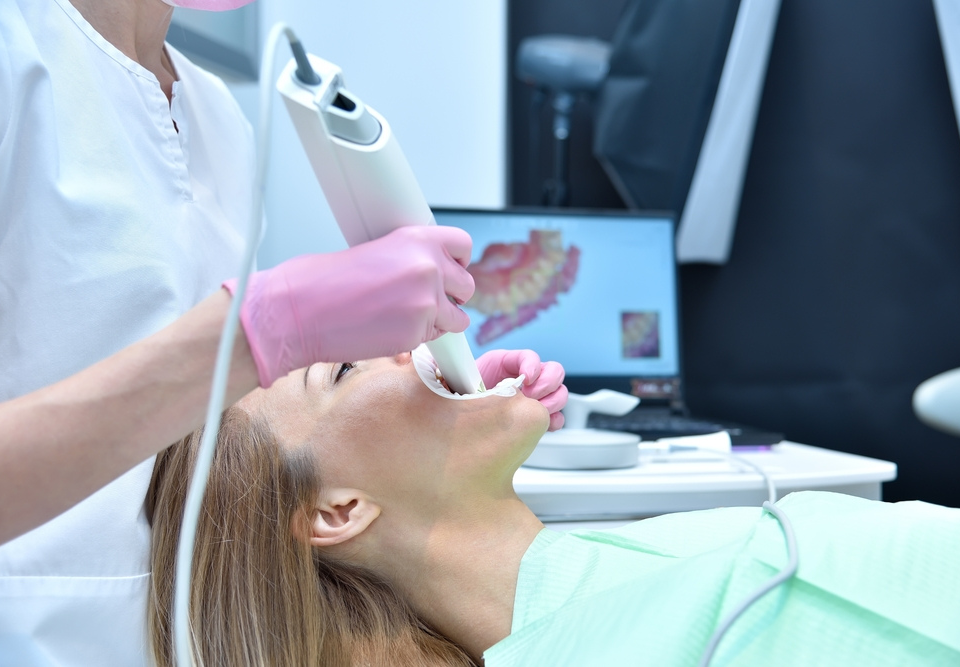
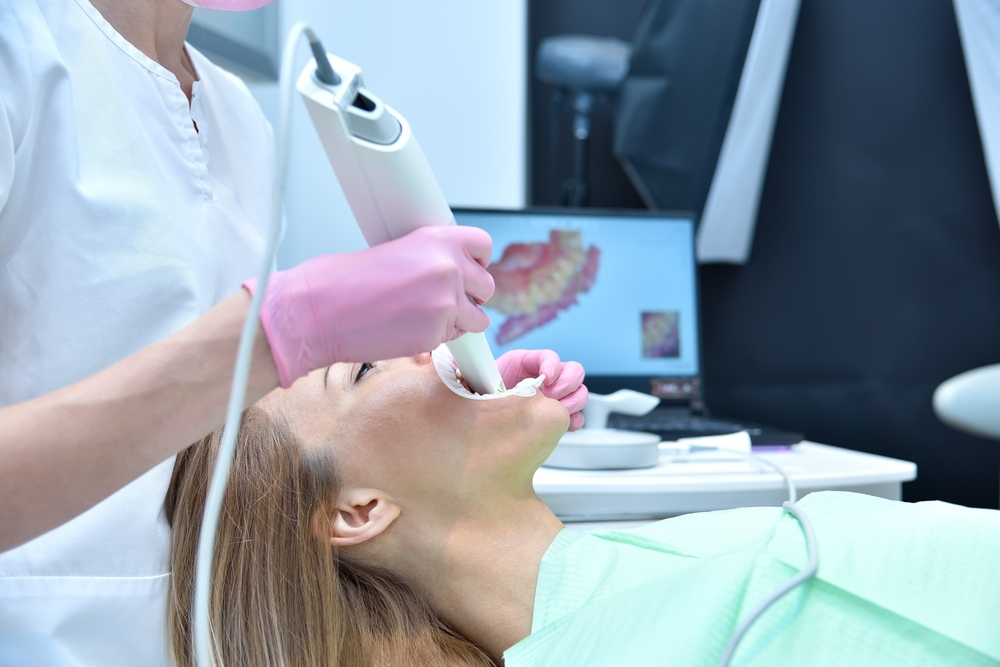
During your initial consultation, your dentist Dee Why will assess the health of your teeth and discuss your desired outcome. If veneers are recommended, the dentist will take impressions of your teeth and discuss the shade and material (porcelain or composite resin) for your veneers. This ensures that your veneers will match the colour of your natural teeth.
Step 2: Tooth Preparation
To prepare for the veneers, your dentist will remove a small amount of enamel from the surface of your teeth. This is a minimal procedure, as only a thin layer of enamel is necessary to accommodate the veneer. In some cases, temporary veneers may be placed to protect your teeth while the permanent veneers are being made.
Step 3: Creating the Veneers
The impressions taken during your consultation will be sent to a dental laboratory, where your custom veneers will be created. This process typically takes about one to two weeks.
Step 4: Fitting and Bonding
Once your permanent veneers are ready, your dentist will remove the temporary ones (if applicable) and bond the new veneers to your teeth. The dentist will ensure the veneers fit properly, adjust for bite and comfort, and ensure they look natural and aesthetically pleasing.
Step 5: Final Adjustments and Care
After bonding the veneers, your dentist will make any final adjustments to ensure they are perfect. Regular dental care and good oral hygiene are essential to maintain the longevity of your veneers.
How Do Veneers Improve the Aesthetics of Your Smile?
Veneers can dramatically improve the appearance of your teeth in several ways:
- Teeth Colour: Veneers are an excellent solution for people who have discoloured teeth that are resistant to whitening treatments. Porcelain veneers can cover stains and provide a natural, bright smile.
- Shape and Size: If your teeth are uneven or chipped, veneers can reshape them and provide a more balanced and symmetrical smile. The procedure can also increase the size of teeth that may have worn down over time.
- Symmetry: Veneers can address issues with teeth that are too small, uneven, or misshapen, helping create a harmonious, symmetrical smile.
- Gaps Between Teeth: If you have small gaps between your teeth, veneers can close them seamlessly without the need for braces or other orthodontic treatments.
What Is the Difference Between Veneers and Other Cosmetic Dental Treatments?
| Feature |
Veneers |
Teeth Whitening |
Crowns |
| Improves Teeth Colour |
Yes, covers stains and discolouration |
Yes, effective for natural teeth |
Yes, but requires full tooth coverage |
| Enhances Tooth Shape/Size |
Yes, can reshape and resize teeth |
No |
Yes, reshapes teeth |
| Duration |
Long-lasting (10-15 years) |
Temporary (can last 1-3 years) |
Long-lasting (10-15 years) |
| Invasiveness |
Minimal enamel removal |
Non-invasive |
Significant tooth reduction required |
| Durability |
Highly durable, resistant to staining |
Susceptible to staining |
Highly durable and strong |
| Cost |
Higher cost, but provides full aesthetic solution |
Generally lower cost |
Higher cost, depending on materials |
What Are the Risks and Considerations?
While veneers are a safe and effective treatment, there are a few considerations to keep in mind:
- Permanent Alteration: Once the enamel is removed, it cannot be replaced. Therefore, the procedure is permanent.
- Not Suitable for All Teeth: If your teeth have significant decay or structural issues, veneers may not be the best option. Your dentist will assess your teeth and recommend the most suitable treatment.
- Potential Sensitivity: Some people may experience sensitivity to hot or cold temperatures after getting veneers. This typically subsides after a short period.
At Coastal Smiles Dental, we specialise in creating stunning smiles with high-quality veneers. Whether you have discoloured, chipped, or uneven teeth, our team is ready to help you achieve the smile you’ve always dreamed of. Contact us today to schedule a consultation and find out how veneers can transform your smile.
References
- Australian Dental Association (ADA) – Comprehensive guides on cosmetic dentistry and veneer procedures.
- Dental Health Services Victoria – Information on smile makeover treatments and the benefits of cosmetic dental options.
- Australian Society of Aesthetic Dentistry (ASAD) – Expert advice on aesthetic dental treatments, including veneers.
Frequently Asked Questions (FAQs)
- How long do veneers last?
- Porcelain veneers typically last between 10 to 15 years with proper care, while composite resin veneers may last between 5 to 7 years.
- Are veneers painful to get?
- The procedure is minimally invasive and generally causes little to no pain. Any discomfort is usually short-lived, and your dentist Narraweena will ensure you are comfortable throughout the process.
- How much do veneers cost?
- The cost of veneers can vary depending on the material (porcelain or composite resin) and the complexity of your treatment. On average, porcelain veneers can cost between$500 to$1,000 per tooth.
- Can veneers fix crooked teeth?
- Veneers can improve the appearance of crooked teeth by reshaping them, but they are not a substitute for orthodontic treatments like braces. For significant misalignment, braces may be a better option.
- Do veneers stain?
- Porcelain veneers are highly resistant to staining, making them a long-lasting solution. However, composite resin veneers are more prone to staining over time.
- Can I eat normally with veneers?
- Yes, you can eat normally with veneers. However, it’s recommended to avoid hard or sticky foods that may damage or loosen the veneers.